Space affects how we move
Feng Shui pays attention to the relationship between the shape of a space and the activities inside it. Entrances, walking paths, the position of a bed or desk, light, air, noise, clutter and the function of the room all affect comfort and focus.
A good analysis starts from real problems: difficulty sleeping, a desk that feels pressured, a living room that does not flow, or a business area that is hard to see. Symbols and elements are used after the basic function is understood.
- Function comes before decoration.
- Movement flow must be clear.
- Small repairs can be more useful than large rituals.
Doors, command position and circulation
A door shows how people and attention enter a space. The command position looks for a place with enough view of access without sitting directly in a pressure path.
Obstructed circulation, sharp corners, oversized furniture or dark spots can make a room feel heavy. Solutions need to consider the size and habits of the occupants, not rules applied by force.
- Look at the main access.
- Keep movement paths open.
- Place important functions where they feel safe.
The five elements as a language of balance
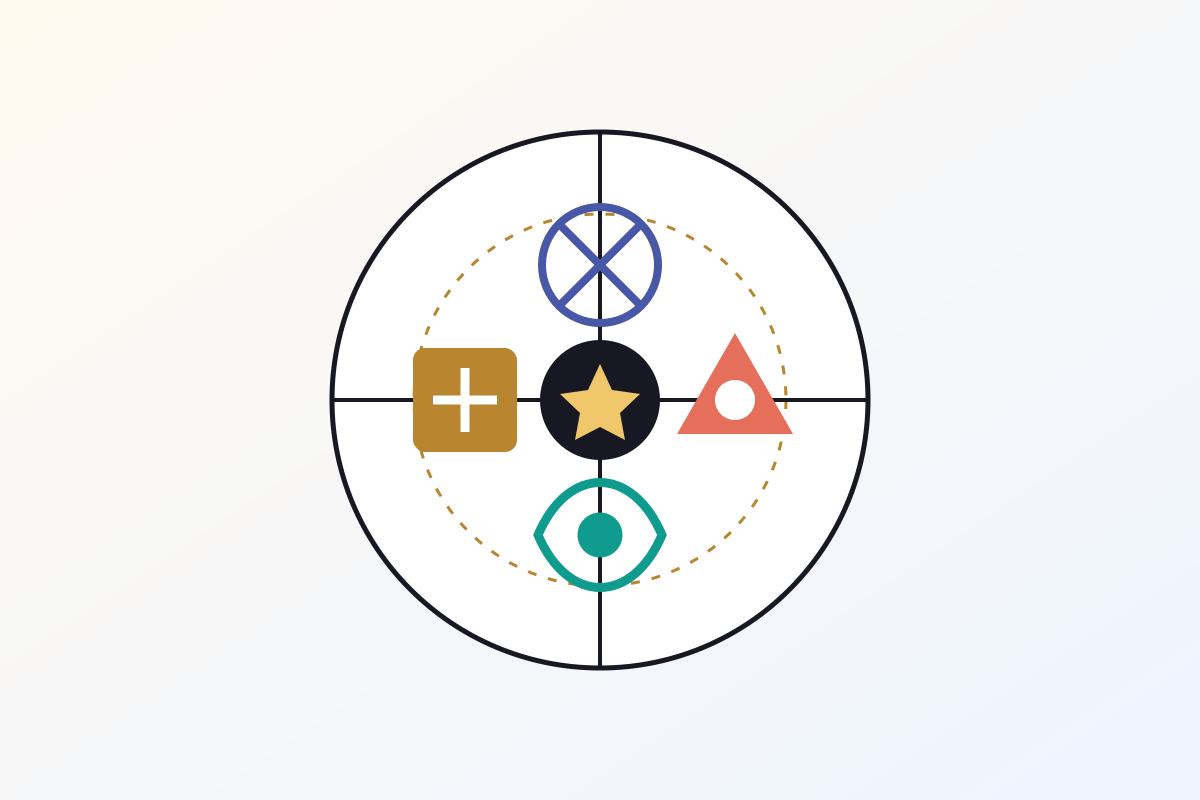
Wood, Fire, Earth, Metal and Water become language for reading materials, colours, shapes, directions and the quality of an atmosphere. Balance does not mean every element must be present in equal amounts.
Elements are chosen to support function. A rest area needs different qualities from a creative studio, a family room or a business area.
- Match elements to the activity.
- Use real materials where possible.
- Avoid adding objects without purpose.
Preparing photos or a floor plan
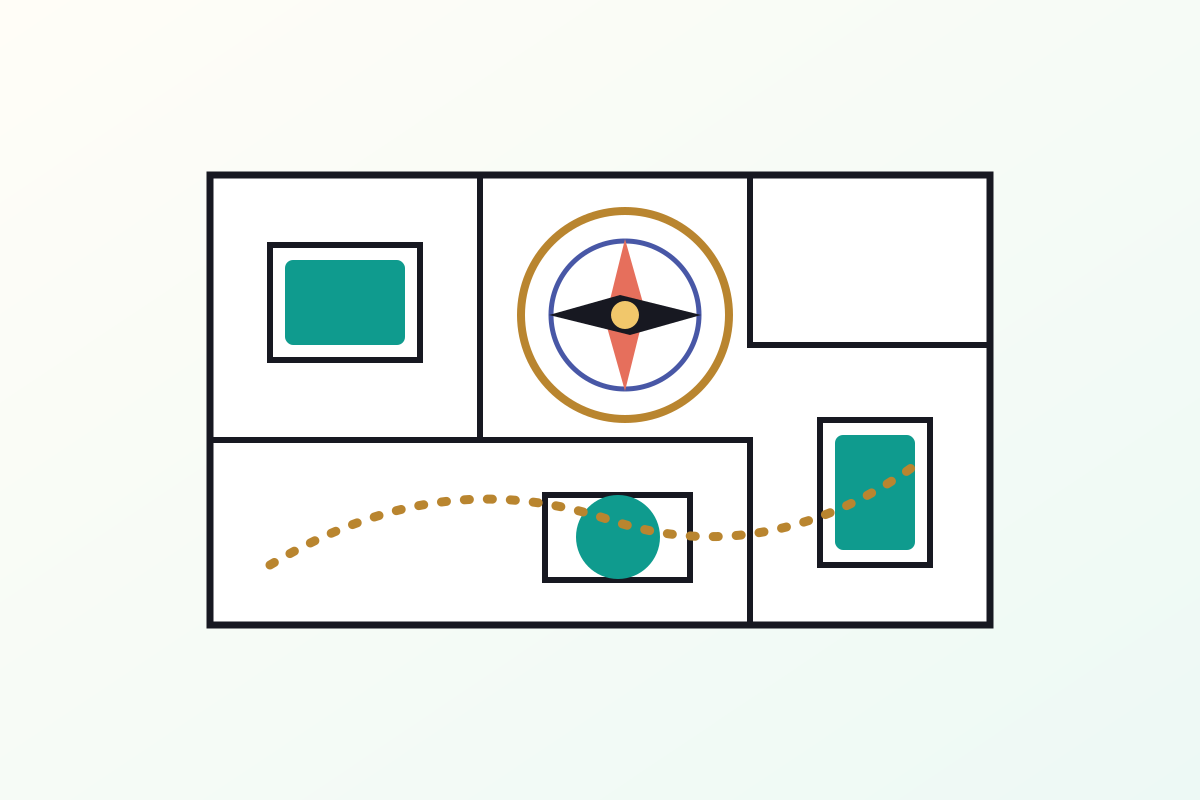
Take photos from several angles showing the door, windows, main furniture and movement paths. A simple floor plan with north and approximate measurements adds useful context.
Do not upload addresses, documents, faces or private objects. For structural, electrical, fire, staircase or building changes, consult the relevant professionals.
- Wide-angle photos without extreme distortion.
- Mark functions and directions.
- Protect the privacy of your home.
Feng Shui at HDTIX
The HDTIX module uses photos or a floor plan to read visual harmony, function, flow and elements, then composes arrangement priorities that feel more comfortable and support activity.
A reading does not guarantee wealth, health or specific results. Its value lies in helping you see a space with fresh attention and change it realistically.
- Start with the biggest priority.
- Test changes one at a time.
- Preserve building safety.
Frequently asked questions
Do I need to know the house direction?
Direction supports a deeper analysis, but photos, function, doors and flow are enough for an initial evaluation.
Do I have to buy special objects?
No. Rearranging, lighting, reducing clutter and improving function are often more beneficial.
Does feng shui guarantee good fortune?
No. It can help create a more supportive space but does not guarantee particular life outcomes.